
Paver Patios vs. Paver Driveways: Understanding the Critical Structural Differences
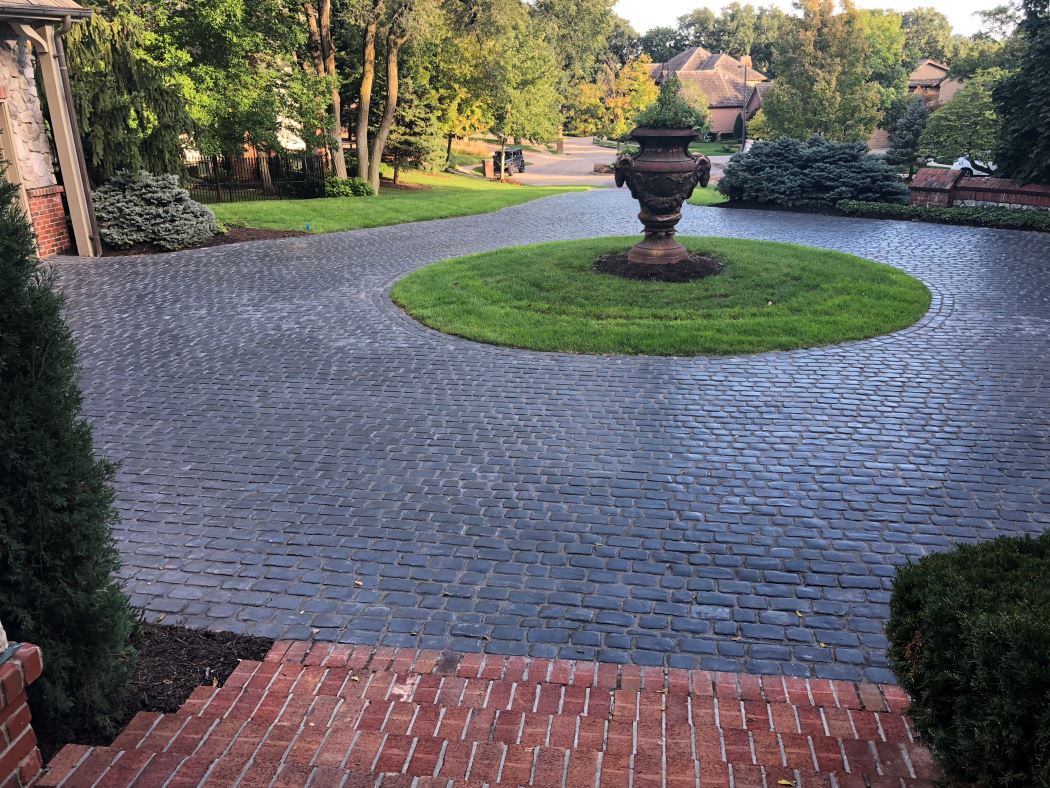
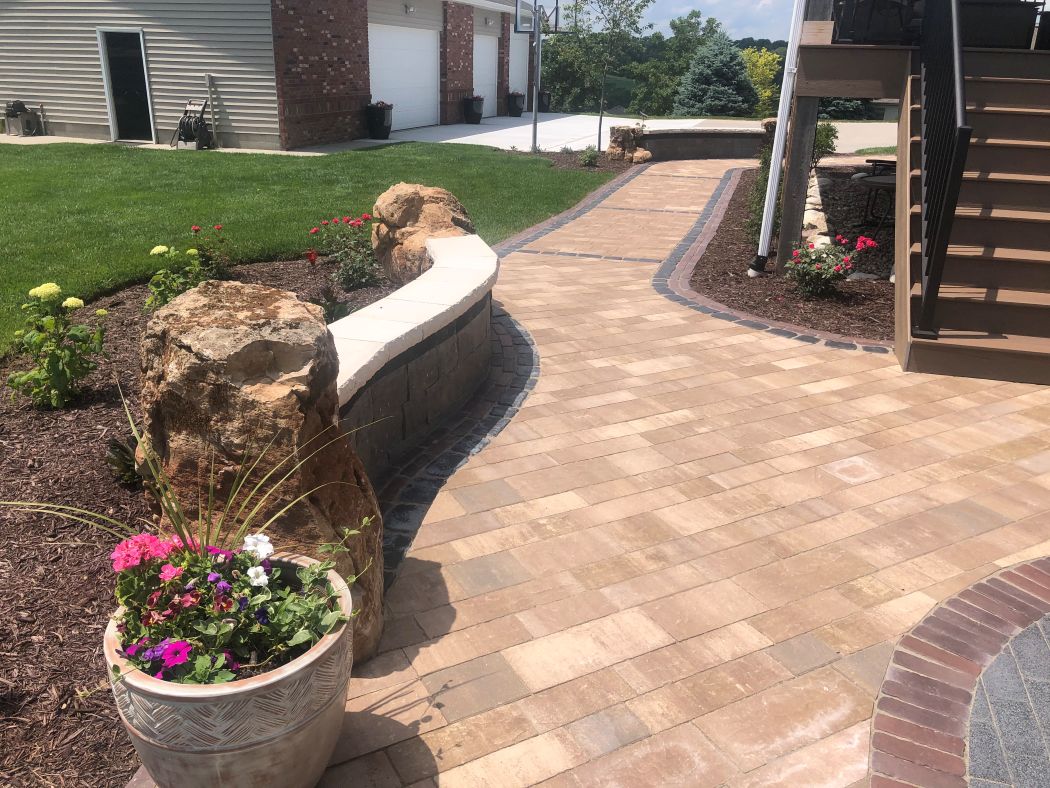
When designing a high-end outdoor living space, few elements offer the aesthetic beauty, versatility, and durability of interlocking concrete pavers. From sun-drenched Paver Patios to expansive, welcoming Paver Driveways, these features unify a property and dramatically enhance its curb appeal.
However, while both projects look similar on the surface, the demands placed upon them are worlds apart. A patio is designed for static furniture and light foot traffic; a driveway must bear the constant, heavy, dynamic load of vehicles—including cars, trucks, and the occasional moving van—for decades without shifting or failing.
At Pond Doctors & The Groundskeeper, our reputation as master craftsmen is built on 60 years of cumulative hands-on mastery since our founding in 2012. Our expertise ensures that every project, regardless of its function, is engineered for its specific purpose. When clients inquire about the crucial structural difference between these two investments, the answer highlights the critical importance of a customized foundation:
While both require meticulous base preparation, Paver Driveway installations are structurally engineered to handle the heavier and more frequent weight of vehicles. This involves a deeper excavation and compaction of a more robust sub-base to prevent settling and rutting under traffic.
The difference is not in the material on top, but in the unseen, highly technical work beneath. Our dedicated, in-house team of 10 experienced professionals ensures the structural integrity of every hardscape installation, guaranteeing that your investment will withstand the rigorous demands of the Midwest climate. Here is a comprehensive look at the four critical factors that distinguish a Paver Driveway from a Paver Patio installation.
I. The Primary Distinction: Load Bearing Capacity
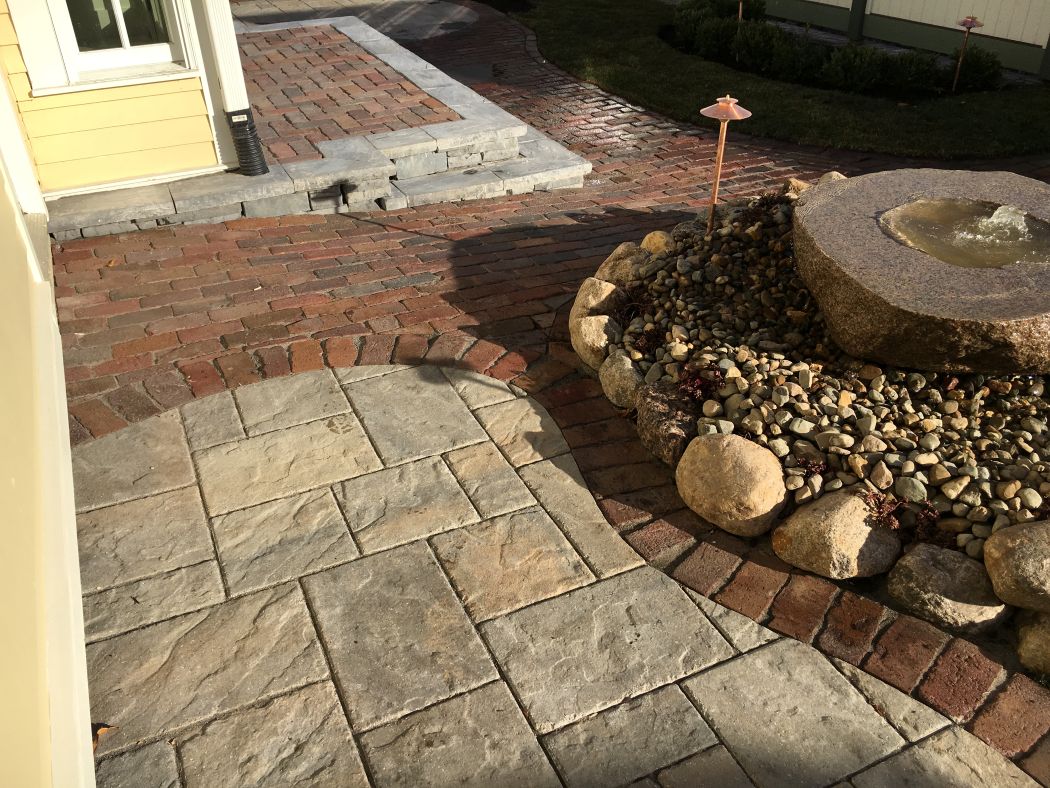
The fundamental difference is the weight the structure must bear. A patio is a lightweight application, while a driveway is a heavy-duty, flexible pavement system. This change in required load-bearing capacity dictates every subsequent engineering choice.
- Paver Patio Load Requirements (Low/Static):
- Traffic: Primarily foot traffic and the occasional placement of heavy outdoor furniture or grills.
- Engineering Goal: The goal is to create a level, stable, and well-drained surface that is visually appealing and comfortable underfoot.
- Paver Driveway Load Requirements (High/Dynamic):
- Traffic: Repeated passes of vehicles (2,000–8,000+ lbs), including the sudden weight of braking, turning, and acceleration.
- Engineering Goal: The goal is to provide maximum load distribution and lateral restraint across the entire paved area to prevent rutting, settling, and shear failure under constant vehicular stress.
This difference means that a Paver Patio installed using a driveway’s structure will perform perfectly (over-engineered), but a Paver Driveways installed using a patio’s structure will fail quickly.
II. The Foundation: Excavation Depth and Sub-Base Robustness
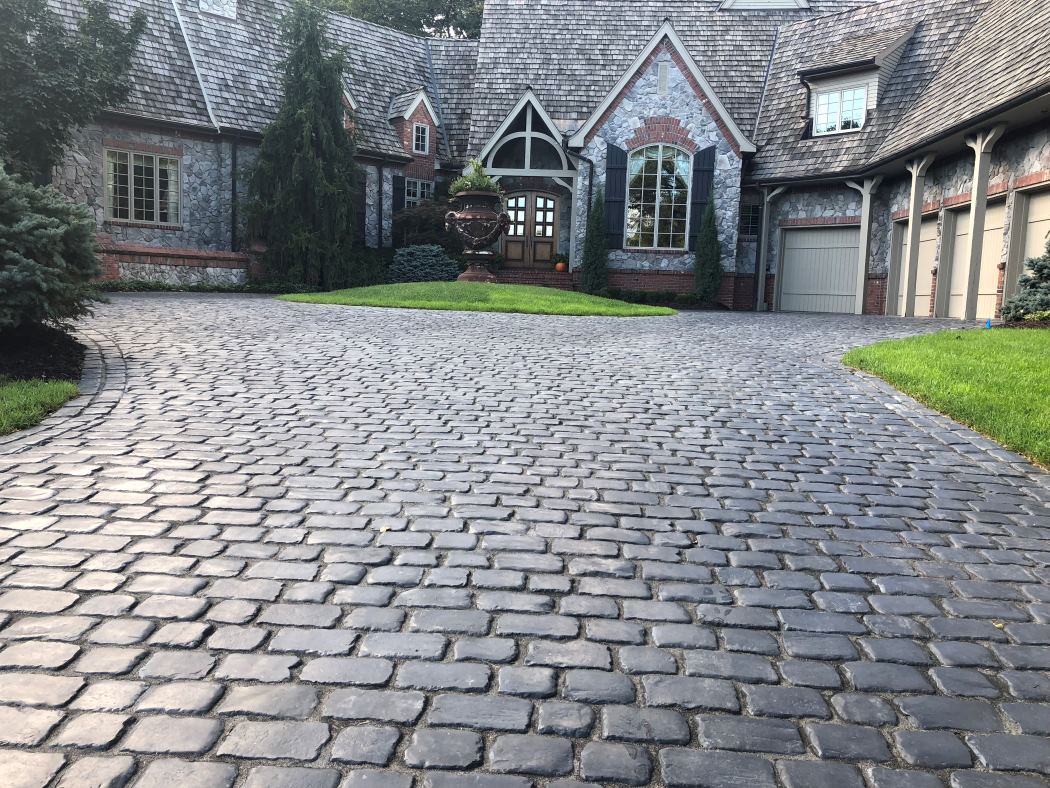
The most visible structural difference is the depth of the excavation and the thickness of the aggregate base. The depth of the entire pavement section—from the excavated subgrade to the top of the paver—is directly proportional to the loads it must carry.
- Paver Patio Structural Components:
- Excavation Depth: Typically 6 to 8 inches.
- Sub-Base Thickness: Typically 4 to 6 inches.
- Engineering Goal: Stability and drainage for light, static loads.
- Paver Driveway Structural Components:
- Excavation Depth: Typically 10 to 14 inches.
- Sub-Base Thickness: Typically 8 to 12 inches.
- Engineering Goal: Deeper base layer to ensure wider distribution of heavy vehicular load, prevent rutting, and provide maximum frost protection.
- Sub-Base Material: For driveways, we use highly specified, clean, fractured aggregate (angular stone) that locks together to prevent horizontal movement under tire pressure, ensuring a far more robust system than a patio requires.
- Compaction Effort: Driveways require maximum, verifiable compaction for load-bearing and rutting prevention, a level of detail significantly higher than that required for a patio.
The quality of the sub-base material and its compaction are critical. A driveway’s base layer must be thick enough to spread the heavy vehicle weight across a wide enough area of the native soil (subgrade) to prevent the paver from pushing down and creating rut lines. Our master craftsmen are trained to precisely calculate this necessary depth for your specific soil type in the Omaha metro area.
III. Certification and Standards: The CMHA Guarantee
The structural integrity required for a Paver Driveway is so high that industry bodies have developed separate, rigorous standards for its construction. This is where our CMHA (Concrete Masonry & Hardscapes Association, formerly ICPI & NCMA) certification becomes paramount.
Why CMHA Certification Matters for Driveways:
- Adherence to Vehicular Standards: CMHA standards set non-negotiable guidelines for base preparation specifically for vehicular loads. When our hardscape contractors hold this certification, it assures you that the entire process adheres to the engineering principles required for a heavy-duty application.
- Advanced Compaction Verification: Our certified crews are trained to use the correct heavy-duty compaction equipment and to verify the density of the compacted sub-base. The soil in the Heartland, where deep freeze-thaw cycles occur, requires this exceptional precision to prevent future movement and maintain the system’s structural integrity.
- Proper Edge Restraint for Traffic: While both use edge restraints, the forces on a driveway’s edge are far greater due to tires pushing horizontally on the pavers. CMHA-certified training ensures that the edge restraint for a driveway is robustly installed to permanently lock the entire system together, preventing the pavers from spreading or separating under turning and braking stresses.
IV. Integrated Design: Drainage and The Dual-Mastery Advantage
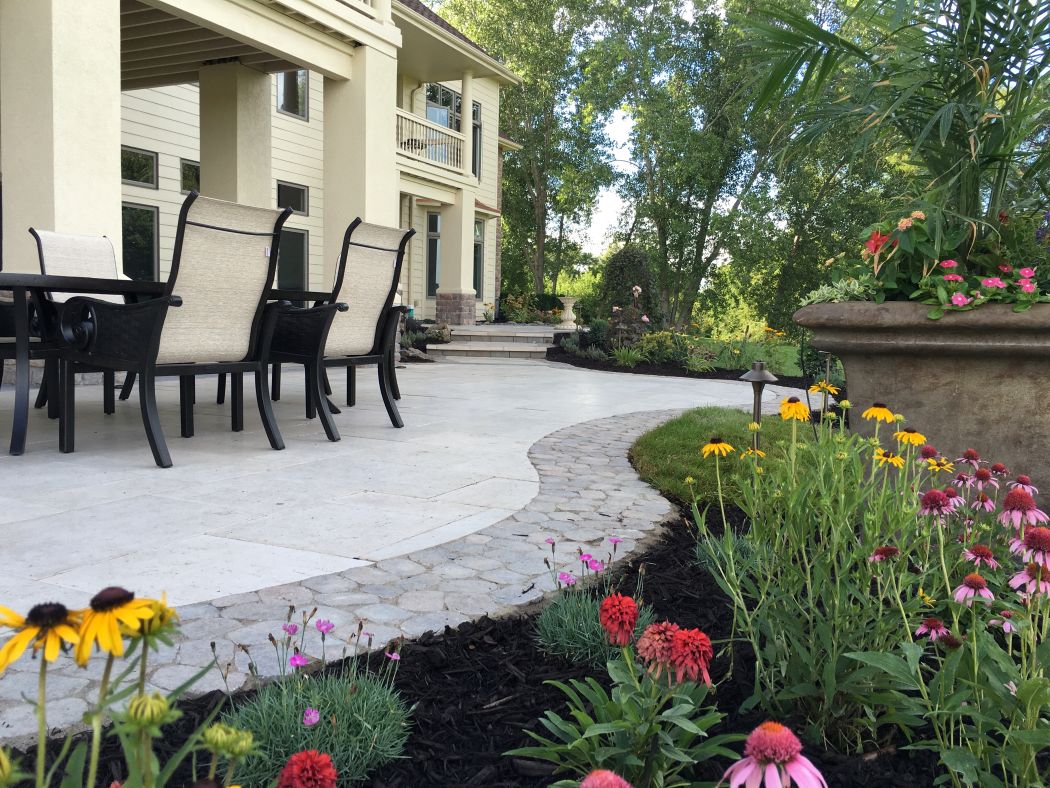
While the focus is on the hardscape structure, The Groundskeeper never treats these projects in isolation. Driveways and patios must interact with the surrounding Landscape Design, Landscape Maintenance areas, and any water features from The Pond Doctor division.
Integrated Structural Considerations:
- Superior Drainage Planning: Our team designs the pitch and slope of your Paver Driveways to direct water correctly away from your home’s foundation and into designated drainage areas. This is vital to maintaining the structural integrity of your home and protecting the health of nearby Landscape Plantings.
- Preventing Aquatic Contamination: As a company that offers both hardscaping and specialized Pond Maintenance, we are uniquely qualified to understand how runoff impacts water features. Improper driveway drainage can carry sediment and chemicals directly into Koi Ponds, leading to a catastrophic algae bloom or fish health issues that necessitate expensive Pond Repairs. Our dual mastery ensures our master craftsmen prevent this scenario through holistic design.
- Longevity through Maintenance Coordination: The structural difference impacts the maintenance plan. The compaction and material choices for a Paver Driveways ensure it can be safely cleaned with high-pressure washers, while maintenance products (like joint sand stabilizer) are chosen specifically for their traffic durability.
Conclusion: Secure Your Investment with Master Craftsman Engineering
The difference between a Paver Patio and a Paver Driveway installation is the difference between simple aesthetics and critical engineering. While both require the beautiful surface of interlocking pavers, Paver Driveway installations are structurally engineered to handle the heavier and more frequent weight of vehicles, demanding a deeper excavation and a more robust, highly compacted sub-base to prevent settling and rutting under traffic.
For property owners in the Omaha metro area, choosing a master craftsman team with CMHA certification and 60 years of cumulative hands-on mastery ensures that your contractor understands the specialized, heavy-duty requirements of a vehicular application. Don’t risk the structural integrity of your investment by treating a driveway like a patio—choose The Grounds Keeper for guaranteed durability and quality.
Ready to discuss your custom Paver Driveways or Paver Patios project? Secure the superior engineering and lasting quality that only a certified master craftsman can provide.