
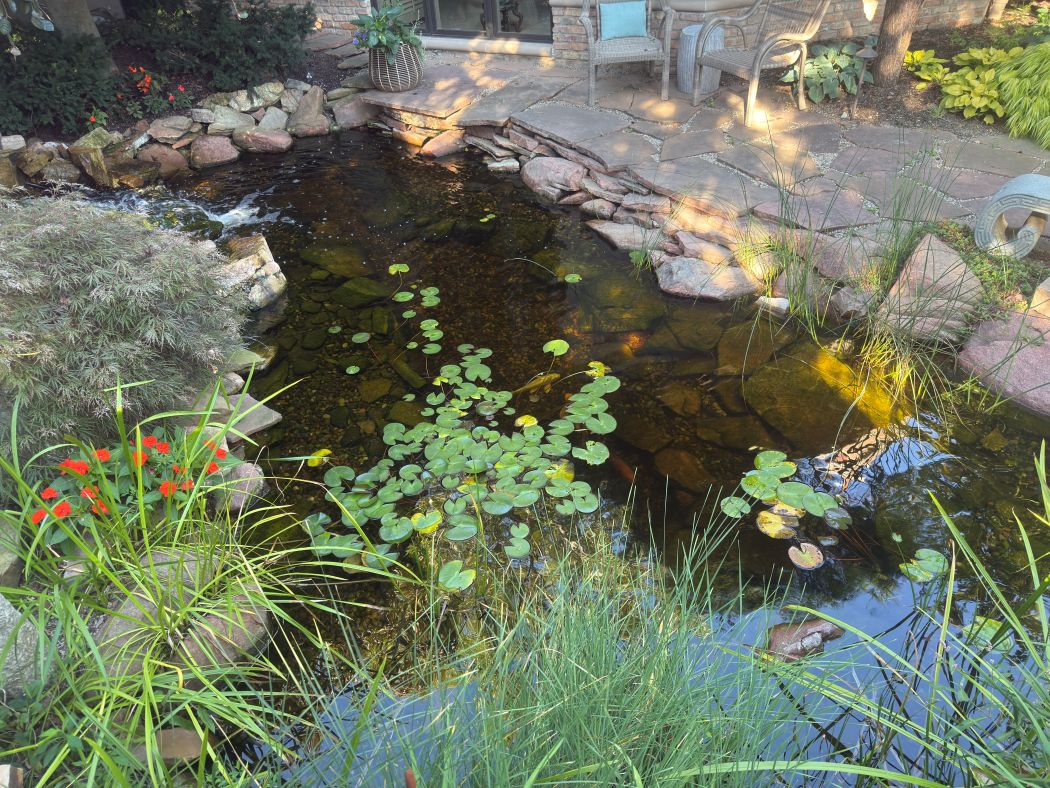
The Non-Negotiable Depth: Ensuring Koi Pond Health and Safe Overwintering in Freezing Climates
A Koi Pond is a source of joy and beauty, but for those living in the Omaha metro area or any region with cold, freezing winters, it is also a commitment to the health and safety of the fish. Unlike a simple water feature, a fish pond requires specific dimensions that ensure the valuable inhabitants can survive the harsh temperatures of the winter season.
At Pond Doctors & The Groundskeeper, our master craftsmen division, Pond Doctors, approaches every installation with the exceptional precision and scientific foresight honed by 60 years of cumulative hands-on mastery since our founding in 2012. The structural design of the pond basin is one of the most critical elements we engineer.
When asked about the minimum required depth for fish survival, the answer is a critical rule of pond construction:
For a successful, healthy backyard koi pond installation, the minimum recommended depth in the deepest section is 3 feet (36 inches), particularly in regions with freezing winters. This depth provides a stable thermal zone at the bottom, known as the “sludge zone,” where koi fish can safely enter a state of torpor. Adequate depth is a critical factor in the initial setup to maintain consistent water temperature and prevent the pond from freezing solid, safeguarding your valuable fish.
This is the single most important dimension for any new Koi Pond construction. Here is a detailed guide to why the 3-foot minimum is a non-negotiable standard for our installations.
I. The Physics of Overwintering: The Stable Thermal Zone
The 3-foot depth requirement is based on the immutable physics of water. In the winter, as the air temperature drops and a layer of ice forms on the surface of the pond, the water below organizes itself into layers based on density.
The Critical Role of the 3-Foot Depth:
- Water Density at 39°F (4°C): Water is at its densest at approximately 39°F (4°C). As the pond surface freezes, the coldest water (32°F/0°C) remains at the surface, while the densest water sinks to the very bottom.
- The Thermal Zone Guarantee: By ensuring a minimum depth of 3 feet (36 inches) in the deepest section, our master craftsmen guarantee the existence of a stable thermal zone at the pond floor. This zone remains above freezing, typically holding at or near 39°F, regardless of how cold or how long the surface ice persists. This consistent water temperature is the life-support system for your fish.
- Preventing a Freeze Solid: The adequate depth acts as a buffer against deep frost penetration. A pond that is too shallow risks freezing solid from top to bottom, which is lethal to all fish.
II. Ensuring Koi Fish Health and Torpor
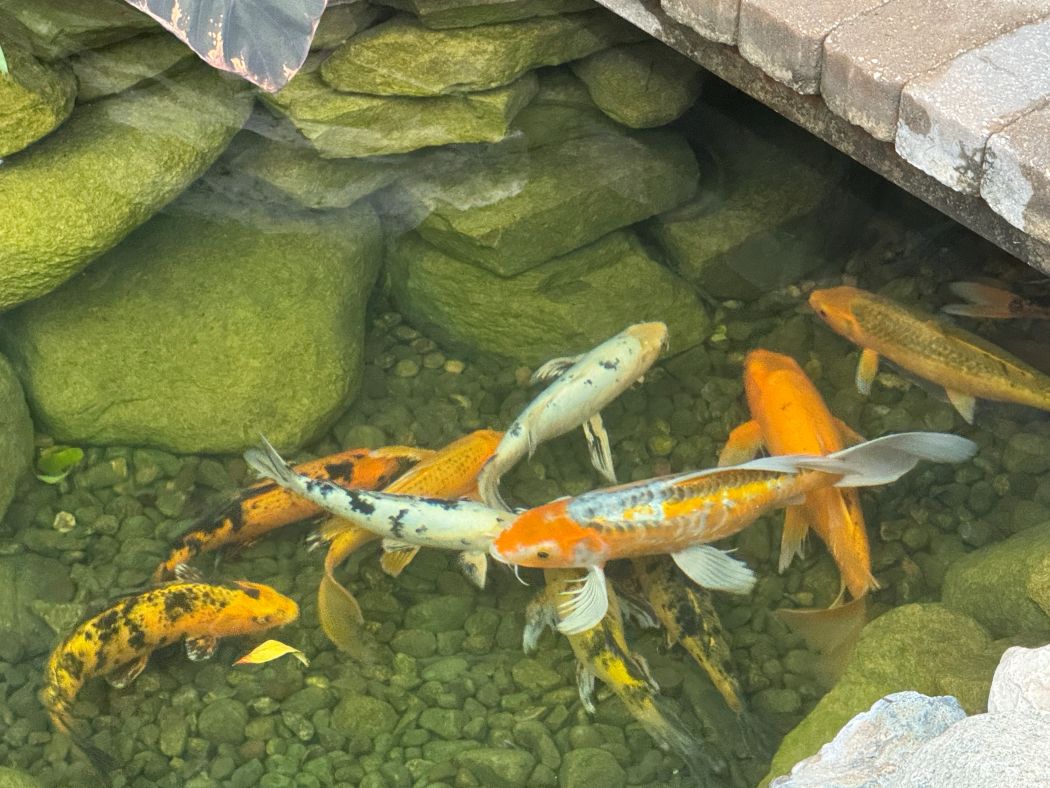
Koi fish are cold-blooded animals whose survival relies on their ability to slow their metabolism during the winter. This process is called torpor, and it requires a stable, dark, and still environment to succeed.
Torpor and the “Sludge Zone”:
- Safe State of Torpor: When the water temperature drops below 50°F (10°C), the koi enter a semi-dormant state of torpor. Their bodily functions slow dramatically, and they stop feeding. The constant, stable temperature provided by the 3-foot deep zone is essential to maintain this state. Temperature fluctuations can cause them to wake, attempt to feed, and burn precious energy reserves, which quickly leads to stress, illness, and failure to thrive.
- The “Sludge Zone” Function: The deep area provides the fish with a secure, undisturbed refuge. While the area naturally collects settled debris (which must be removed during a Spring Clean-out), it is fundamentally a thermal sanctuary. The fish will settle into this dark, oxygen-rich layer for the duration of the winter.
- Protection from Predators: The depth also provides critical protection against predators, such as herons, that can easily spot and target fish in shallow water, especially in the clear conditions that can develop under the ice.
III. Installation Precision: The Master Craftsman’s Role in Setup
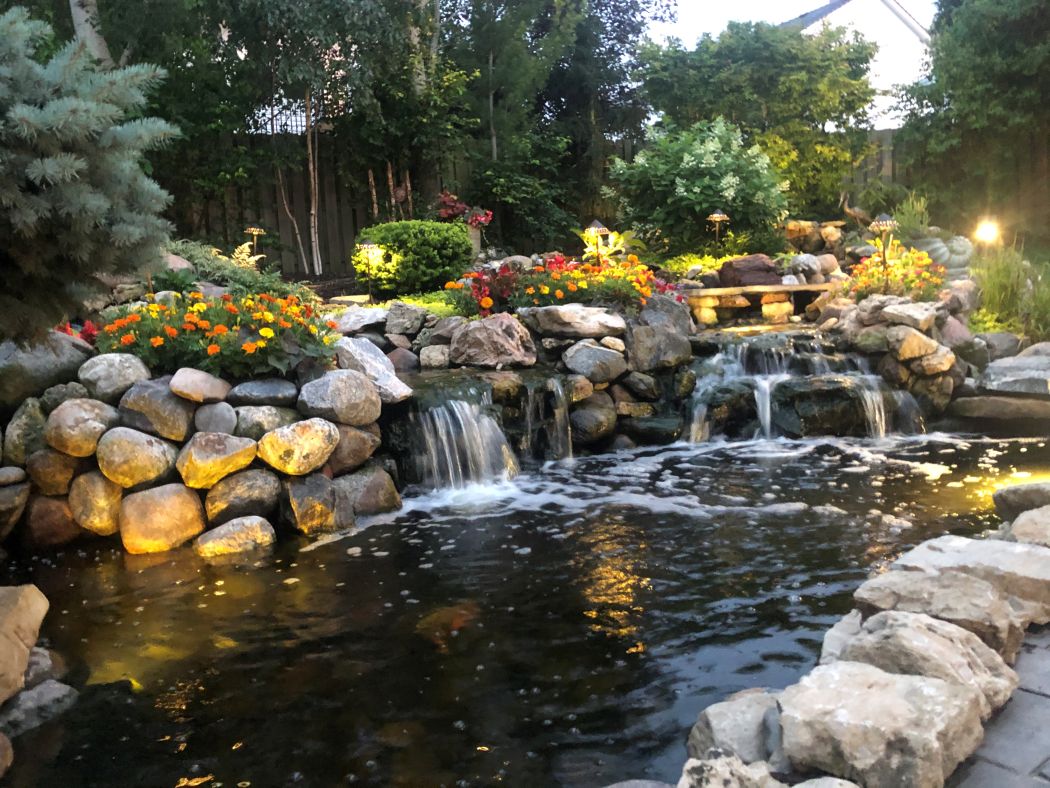
The ideal minimum depth is a critical factor in the initial setup of your pond. Our specialized expertise ensures the basin is excavated and prepared correctly for the long term.
Master Craftsman Setup Principles:
- Accurate Basin Excavation: Our Pond Doctor crew ensures the excavation is precise, reaching the full 36-inch minimum depth (or greater, as required) in the designated overwintering area. This requires exceptional precision in digging and grading the basin.
- Liner Protection: Even at the deepest point, the liner must be protected. Our Pond Liner Installation Best Practices include using heavy-duty geotextile underlayment to shield the flexible EPDM liner from punctures caused by sharp objects or roots, ensuring the structural integrity of the entire Koi Ponds foundation.
- Aeration Integration: The Aeration System Placement is also integrated with the deep zone. The air diffuser stone is strategically placed in the deepest area to ensure continuous water column circulation, preventing the buildup of toxic gases beneath the ice, which is a major winter health risk.
IV. The Dual-Division Advantage: Integrated Property Health
The structural soundness of your pond’s depth is supported by our dual-division expertise. The Landscape Design and grading expertise of The Groundskeeper ensures that no outside factors compromise the pond’s foundation.
- Grade Management: The surrounding Landscape Design is graded to prevent excessive storm water runoff from washing soil or debris into the deepest section of the pond, which would overwhelm the sludge zone with organic material and compromise the water quality.
- Holistic Maintenance: Our comprehensive Pond Maintenance plan includes Fall Winterization procedures that are tailored to deep ponds, ensuring the fish are ready for their torpor and that the pump and filters are correctly protected for the cold months.
V. The Final Value: Safe Overwintering and Long-Term Value
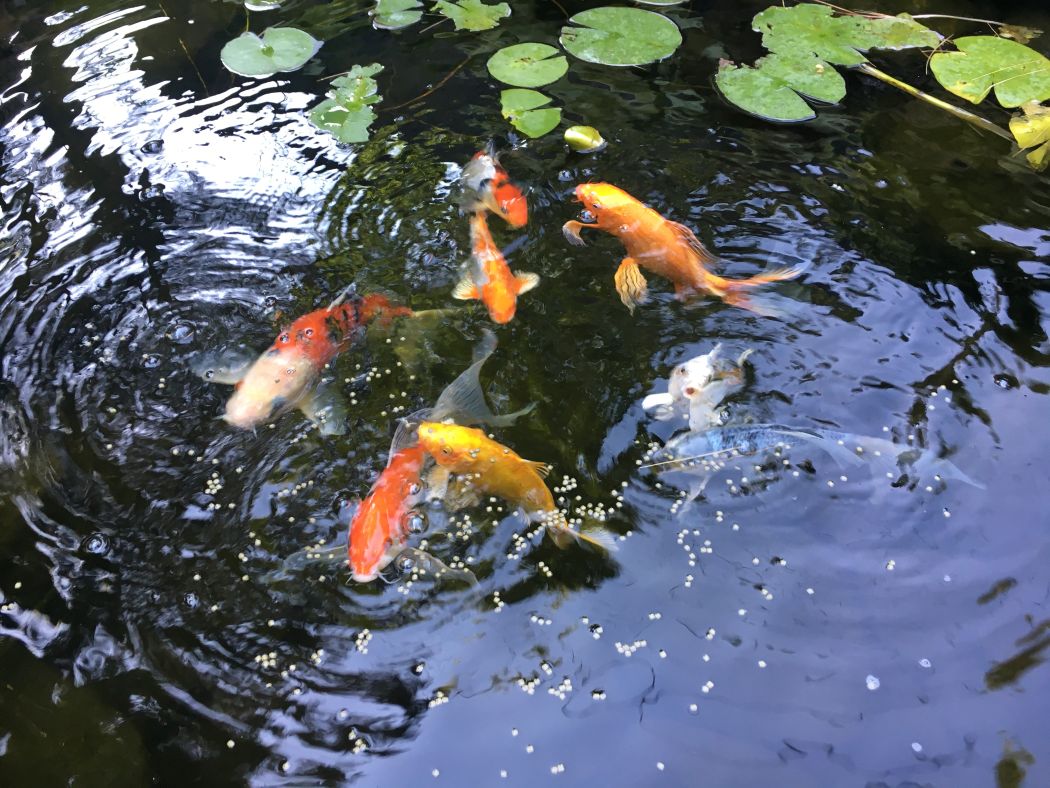
The ideal minimum depth of 3 feet (36 inches) in the deepest section is an investment in the long-term success of your pond. It is the best defense against cold-related fish loss, ensuring your valuable fish are safeguarded through the coldest months of the year.
The master craftsmen at Pond Doctors ensure that your backyard koi pond installation is built with this adequate depth to maintain consistent water temperature and prevent the pond from freezing solid, providing the ultimate guarantee of Fish Health Checks and a serene, beautiful water feature.
Ready to discuss your new pond installation and ensure a flawless foundation for your fish?